Foundation & Innovation
Harvesting a resource that can't be replaced. Sujalaam begins with rainwater harvesting and groundwater recharge, helping India capture rain and return it to the ground, guided by science.


Every project starts with understanding how water behaves at the site itself — before any structure is designed.
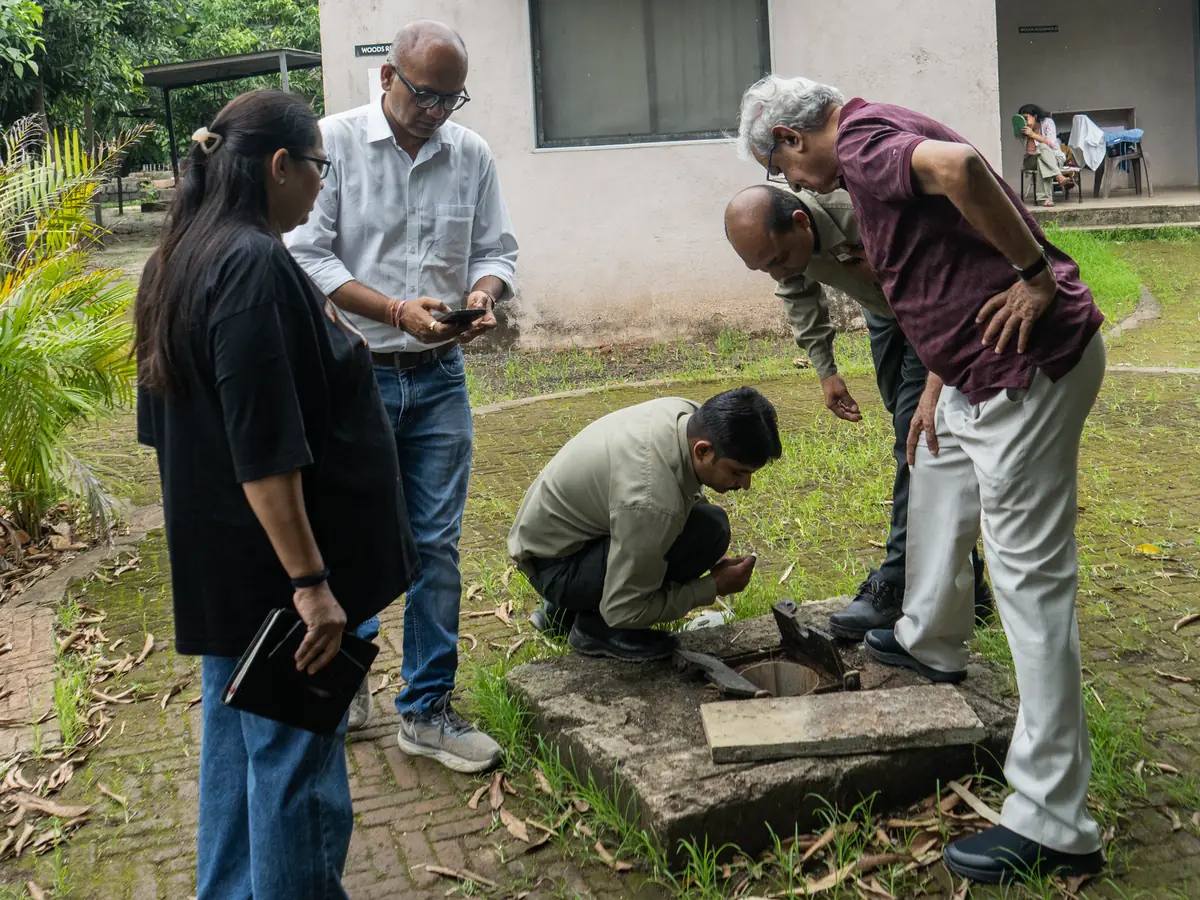
Sujalaam designs and engineers rainwater harvesting, groundwater recharge and water management systems for industries, institutions, campuses and large developments across India, from our base in Ahmedabad.
With experience across industrial, institutional and large-scale development projects, we treat water management as an engineering problem rather than a standard installation. Site hydrology and geology differ from one location to the next, so our rainwater harvesting and groundwater recharge solutions are developed to match the site, not adapted from a fixed template.
Our process begins with a hydrogeological assessment, groundwater investigation, rainfall and runoff analysis, and a review of existing water infrastructure. These findings are translated into practical systems for rainwater harvesting, groundwater recharge, water conservation and flood management — combining field investigation, engineering design and implementation so the system is technically sound and practical to operate over the long term. Where required, we also build in monitoring and measurement, so water infrastructure can be evaluated on actual performance rather than assumption.
The approach stays the same on every project: understand the site first, then design the water system around it — engineered to the site's actual hydrology, geology, groundwater conditions and water requirements, rather than adapting a standard solution to fit.
Sujalaam provides integrated water management solutions for industries, institutions, campuses and large developments, covering the complete process from site investigation and assessment to engineering design, implementation and performance monitoring.
Every project starts with the client's actual problem — a flooding site, a dry borewell, a compliance requirement — not a standard drawing.
Our hydrogeologists and engineers brainstorm possible approaches against what the site and the client actually need.
A Water Sustenance Infrastructure Planning survey tests those ideas against the site's real rainfall, soil, geology and groundwater conditions.
Findings are discussed with the client to arrive at the solution that is technically sound and practical for how the site is actually used.
Our own engineers and site teams build the agreed system, with quality checks and safety compliance at every stage.
We track performance after handover and maintain the system, so it keeps recharging and performing for decades, not just at commissioning.
From individual rainwater harvesting and groundwater recharge systems to integrated, site-wide water strategies, our objective is infrastructure that works with a site's natural water conditions rather than against them.
The core team of Sujalaam Sustainability combines expertise in hydrogeology, engineering, and sustainability to deliver innovative water management solutions. Driven by a shared vision of creating water-secure and self-reliant ecosystems, the team focuses on groundwater recharge, rainwater harvesting, and sustainable water resource planning.
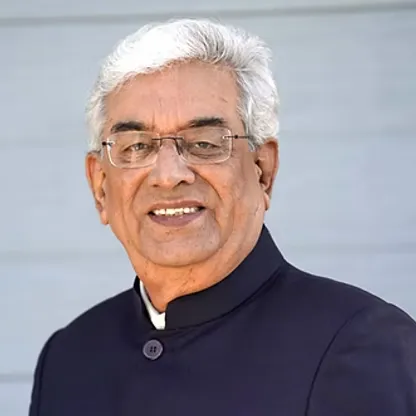
With over 53 years of experience in hydrogeology, groundwater science, and water resource management, Mr. Shukla provides strategic technical leadership to Sujalaam. Formerly a Superintending Geohydrologist at GWSSB, he has played a key role in groundwater recharge, hydrogeological investigations, and sustainable water management initiatives across Gujarat.
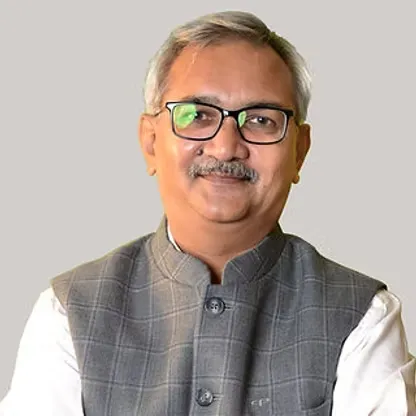
Setu Shah leads Sujalaam's vision of aatmaNEERbharta through sustainable water management and conservation. With extensive experience in rainwater harvesting, groundwater recharge, and water sustainability planning, he continues to drive innovative solutions that create long-term environmental impact.

Holding an MSc in International Business Management from the University of Westminster, London, Dev Shah brings strategic leadership, business planning, and operational management expertise. He supports Sujalaam's growth, partnerships, and long-term mission of delivering scalable water sustainability solutions.
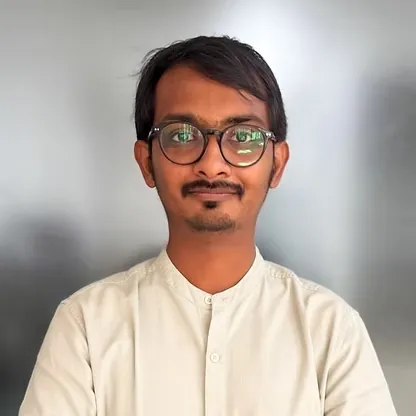
Shail Shah oversees project execution and field operations across Sujalaam's initiatives. His focus on implementation excellence, quality control, and sustainable project delivery ensures that every water conservation and recharge solution performs effectively on the ground.

With over 10 years of experience in construction and infrastructure development, Darshan Shah contributes expertise in civil engineering and structural planning. Holding advanced qualifications in structural management from the University of Florida, he supports technically robust and sustainable infrastructure solutions.
Our Expert Panel comprises experienced hydrogeologists, engineers, sustainability professionals, and industry specialists who provide strategic guidance and technical expertise. Their collective knowledge ensures that every solution is scientifically sound, practical, and aligned with long-term water sustainability goals.
With nearly four decades of experience in groundwater management, aquifer mapping, artificial recharge, and hydrogeological investigations, Mr. Nagar has held senior leadership positions within the Central Ground Water Board and continues to provide expert guidance on large-scale groundwater sustainability initiatives.
A groundwater and water security professional with nearly three decades of experience in the public water sector, Mr. Pandit brings expertise in hydrogeological investigations, geophysical surveys, water conservation, groundwater recharge, and water security planning, contributing valuable technical insight to Sujalaam's sustainability initiatives.








































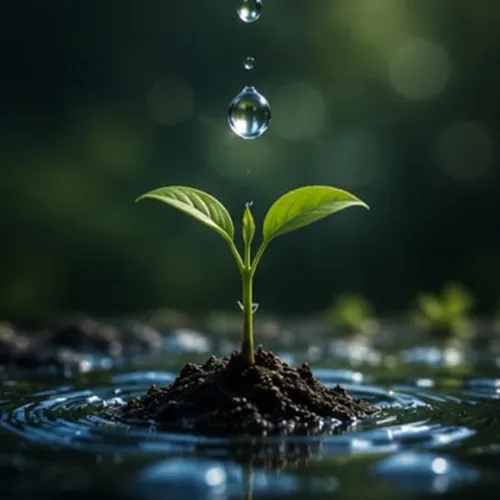
Harvesting a resource that can't be replaced. Sujalaam begins with rainwater harvesting and groundwater recharge, helping India capture rain and return it to the ground, guided by science.
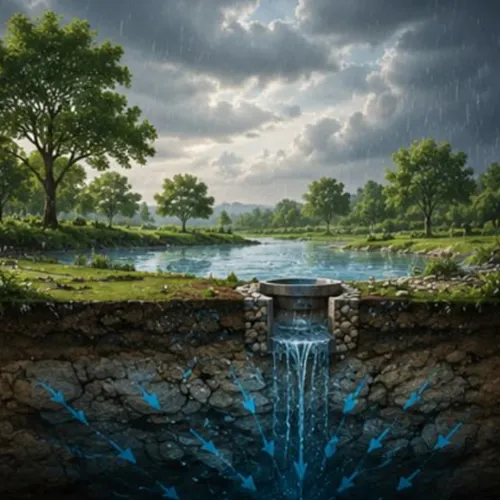
The Varsha Jal Tanka, a precast concrete rainwater storage tank, lets homes, institutions and industries save harvested rain and use it round the year.
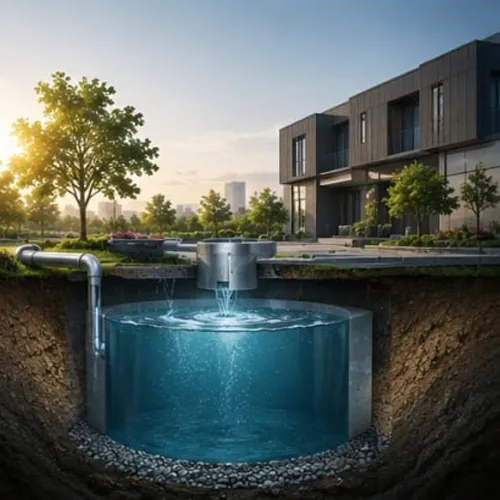
Years of field research become the Rainwater Nurturing System, an engineered groundwater recharge system built for reliable, long-term performance on varied sites across several states.

Recharge only works if it suits what lies beneath. Our hydrogeologists use geophysical investigations to study a site's soil, geology and groundwater, so recharge and water infrastructure are planned on real data.

Sujalaam became Sujalaam Sustainability LLP, moving from individual conservation projects to integrated water sustainability. Our work now spans rainwater harvesting, groundwater recharge, hydrogeological surveys, stormwater management and water monitoring, helping industries, institutions and communities move towards an aatmaNEERbhar Bharat.